THE PLATFORM’S DEVELOPMENT RECORD
Technology with a documented foundation.
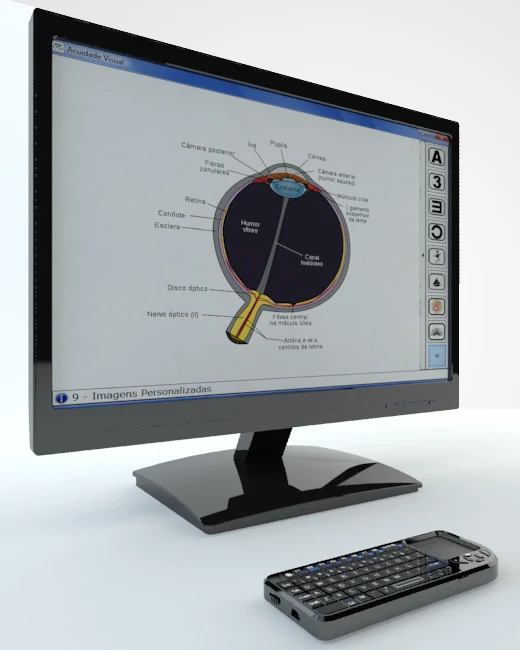
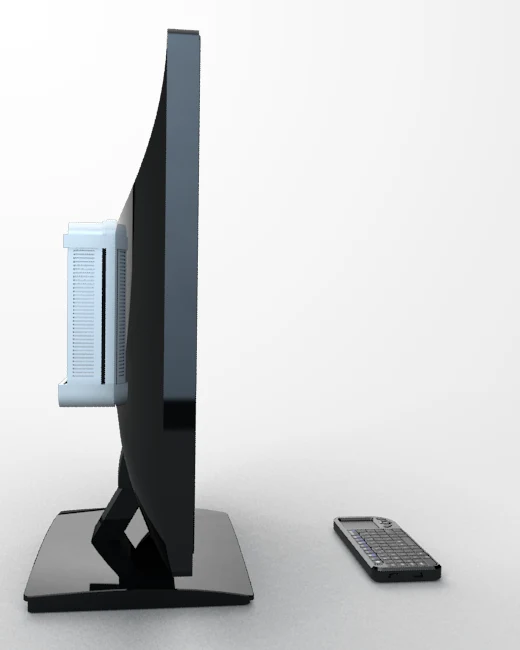
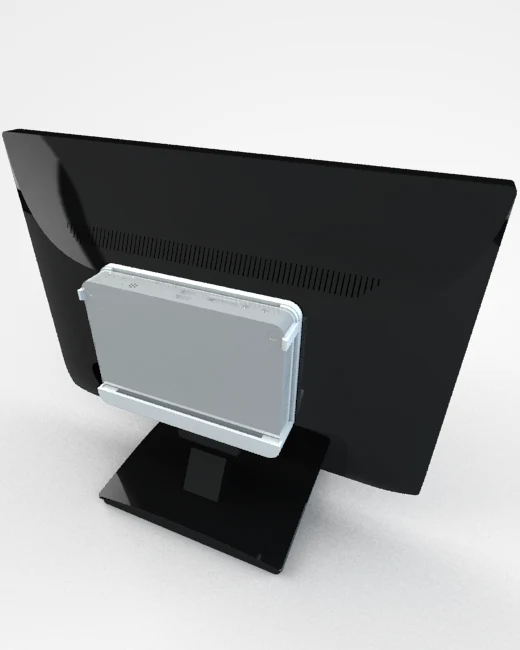
DOND was developed as a computerized visual-acuity system with a miniature wireless keyboard. The archived configurations were an 18.5-inch all-in-one Windows computer or a 19.5-inch all-in-one Android computer, each supplied with the visual-acuity software.
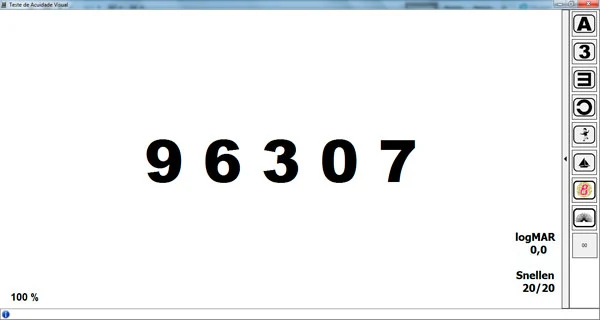
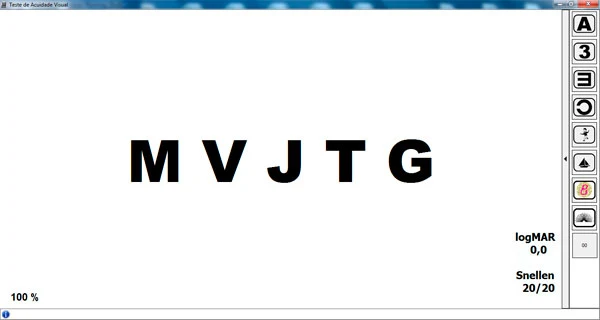
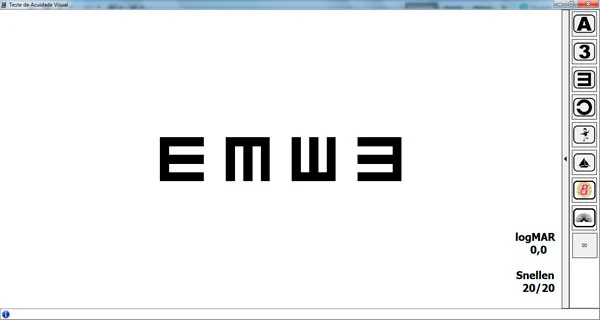
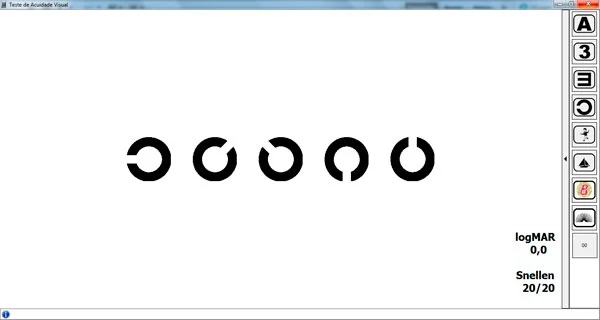
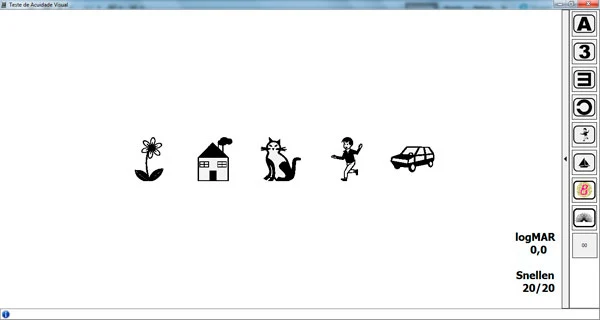
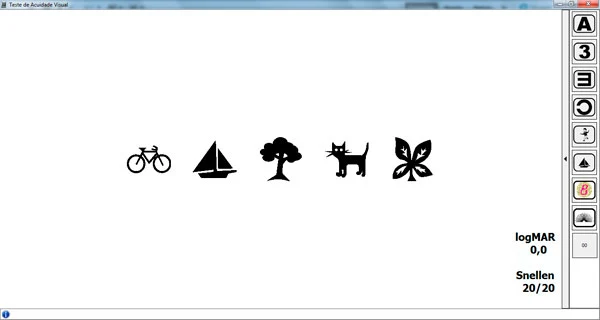
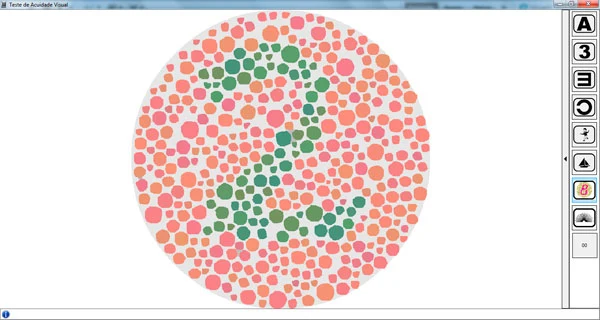
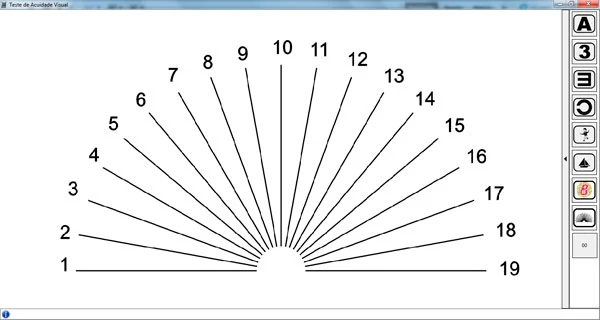
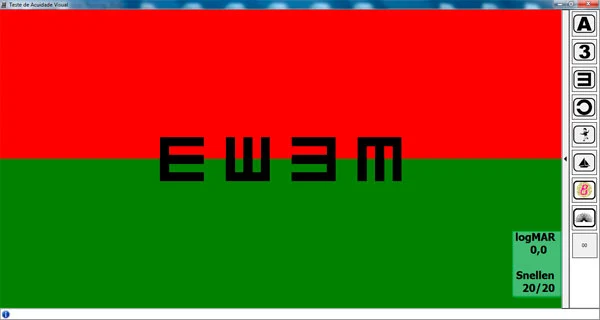
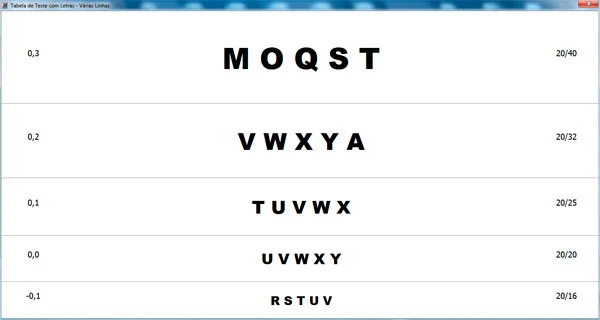
Available optotypes and resources included alphabet letters, Sloan letters, numbers, Snellen E symbols, Landolt rings, outlined Pigassou figures, solid Rossano-Weiss figures, Ishihara color-vision plates, a Lancaster astigmatism wheel, a duochrome background, contrast adjustment, the ordinal Snellen scale and the logarithmic logMAR scale. Up to ten custom images could be displayed. The Windows version included examination reporting.
The source imposed no fixed working-distance limit, but recommended 30 cm to 20 feet for patient comfort. It also gave an approximate metric distance of 7 m; 20 feet is approximately 6.1 m. The wireless keyboard was specified for unobstructed operation up to 30 m.
The archive illustrates the different optotypes, color-vision plates, astigmatism wheel, custom images, duochrome background and multiline chart, together with front, side and rear instrument views and a technical-specification PDF.
Instrument, imaging & software gallery

BROCHURES / VIDEOS / SCIENTIFIC REFERENCES
Explore DOND.
English user manuals & guides
Technical-review editions of the full original instructions. Source differences and legacy interface labels are identified inside each document.
Related scientific publications
Foundational research related to this field. These articles are not clinical validation of a future instrument configuration.
[Vision measurement and psychophysical tests].
KRONBAUER, A. L. ; Schor ; CARVALHO, LA .
Read the journal / DOI source ↗Original instrument documents & sources
Brochures and manuals link to English EVOptica editions. Historical recordings, source citations and legacy interface screenshots may retain their original language. External archive links may no longer be available.